
When Your Decisions Matter Most
Wednesday, December 2, 2026 | 8:00 AM – 12:00 PM | Union League Club, 38 East 37th Street, New York, NY | Breakfast Served
Limited Space Available. Early Registration Recommended.
A 4-hour intensive seminar for CEOs, CFOs, CROs, and executive leadership who may be required to make consequential decisions under extreme pressure. Learn from someone who has actually done it.
When a crisis hits, there’s no time for deliberation. You need a framework that works when everything is moving fast, information is incomplete, and stakes are high. This seminar teaches a proven decision-making system used in actual crisis response.
You need to communicate with precision and confidence. Learn exactly how to brief boards, regulators, and stakeholders without creating legal exposure or destroying trust.
Understand what happens when incidents occur. Who decides what? What gets communicated, when, and to whom? What does your incident response plan actually cover? Most organizations have critical gaps they don’t see until it’s too late.
People look to you in a crisis. Employees, customers, regulators, and boards watch how you respond. Learn how to stay calm, keep your team focused, and move from crisis response to organizational recovery.
Faster decision-making means lower losses. Better communication means faster stakeholder confidence. Clearer incident response means fewer escalations. This seminar directly reduces the financial, legal, and reputational impact of incidents.
After the seminar, receive three months of executive risk briefings, real OSINT analysis on geopolitical, cyber, supply chain, and executive protection threats. Keep the frameworks fresh with weekly application to actual threats your organization faces.
When crisis hits, your instinct is to react fast. But fast without structure leads to mistakes. The STOP Technique gives you structure without slowing you down. It’s proven across decades of law enforcement, emergency management, and corporate crisis response.
Pause and take ownership of the timeline. Separate emotion from fact. You reclaim thinking space. If you can’t stop, you can’t see.
Walk backward from the outcome to the decision points. Every crisis has breadcrumbs. Tracking forces accountability and reveals the path forward.
See without judging. Separate assumptions from facts. Emotions, behavior, systems, and timing are all intelligence data points.
Build forward from what you’ve learned. Design systems that adapt and prevent. Ask: if this happens again, what must change?
When everyone is panicking, following a framework creates immediate calm. Your team knows they have a process.
Wrong decisions made fast compound exponentially. STOP forces you to verify before acting, saving millions in preventable damage.
STOP was developed and tested in actual high-stakes crises: 9/11, hostage negotiations, active law enforcement operations. It works when stakes are highest.
Unlike gut instinct, STOP is a framework every executive can learn and apply. Your entire leadership team uses the same process.
Following STOP creates a decision trail. Regulators, boards, and lawyers can see sound decisions were made under pressure.
Better decisions mean lower losses. Clear communication means faster stakeholder confidence. Documented response means regulatory and legal protection.
In this seminar, you’ll learn STOP in depth, practice it on real crisis scenarios, and build organizational playbooks that apply this framework to your specific risks and stakeholders.
This seminar is designed for executives and leaders who are accountable for organizational risk and decision-making under pressure.
Ultimately responsible for organizational response to crisis. Must decide what gets communicated, when, and to whom. Bears reputational and legal accountability.
Owns financial exposure and insurance implications. Must understand crisis response cost, regulatory fines, and recovery timelines. Communicates with boards and investors.
Responsible for identifying and mitigating organizational risks. Must ensure incident response plans exist, are tested, and are understood across the organization.
Owns legal implications of crisis response. Must navigate regulatory requirements, media inquiries, and shareholder exposure. Critical advisor to CEO and board.
Manages day-to-day operations and continuity. Must lead business continuity response, employee communication, and stakeholder management during incident.
Fiduciaries responsible for organizational oversight. Must understand crisis readiness, incident response capability, and risk governance. Board meetings and audit functions depend on this knowledge.
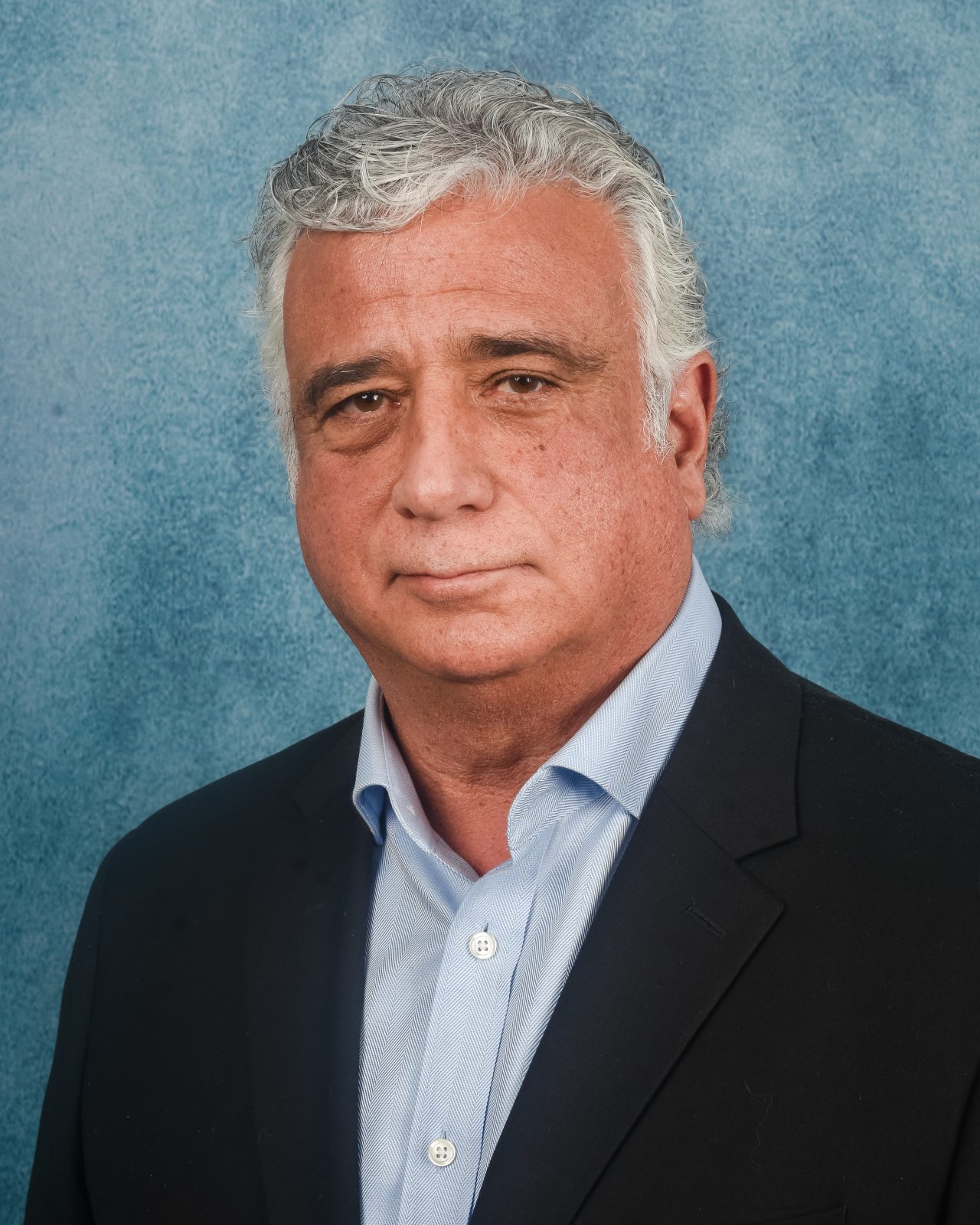
This seminar is taught by Sal Lifrieri, President and founder of Protective Countermeasures & Consulting since 2002. Sal offers 40+ years of real crisis leadership, intelligence operations, and protective operations. Not a journalist. Not a blogger. An actual crisis leader.
20-year law enforcement career with expertise in protective operations, threat investigations, and intelligence. Member of the elite NYPD Hostage Negotiation Team.
Led global intelligence operations prior to 9/11 in cooperation with federal, state, and international intelligence agencies. Directed protective operations and threat investigations for the Mayor of New York and key elected officials. Post 9/11 responded to establish the new command center for the Office of Emergency Management.
Frequently featured on ABC, CNN, Fox News, NBC, and international networks providing field reporting, in-studio analysis, and expert commentary on terrorism and crisis response.
Author of Leading Through Chaos, available at www.pccsecure.com/leading-through-chaos. Lectured on crisis management, executive protection, and terrorism at Fordham University and Iona University. Lecturer for NYPD Homicide Investigators Course on major case investigation.
Executive Vice President and board member of Diversified Security Services (AMEX:DVS). Serves on the Client Advisory Board of Securitas and multiple non-profit boards. Trusted advisor to CEOs, CFOs, and boards of major organizations.
Leading consultant holding contracts with some of the country’s most prestigious and recognized commercial buildings and hospitality organizations.
This is not theory. This is not case studies. Sal has made real decisions in real crises. He managed security and intelligence operations for New York City during 9/11. He has led protective operations for elected officials and conducted threat investigations for Fortune 100 companies. His frameworks have been tested where it matters most, when lives, organizations, and reputations are at stake.
When an incident strikes, every hour matters. Every decision cascades through your organization. The difference between controlled response and chaos is whether your leadership team shares a common framework and knows exactly what happens next.
The question isn’t whether a crisis will happen. It’s how fast your leadership team can decide, communicate, and act when it does. That speed, measured in hours, not days, is what separates organizations that recover quickly from those that spiral into greater damage.
Companies that send 5 or 10 executives realize measurable improvements:
Organizations sending 5 or more executives see measurable crisis response improvement within 90 days.
1 Person
Seminar + 3 months of briefings
For executives who want the framework and decision-making tools for their organization.
3 Executives
Save $1,500
$4,499 per person
Seminar + 3 months briefings + crisis assessment.
5 Executives
Save $5,000
$3,999 per person
Seminar + 3 months briefings + assessment + 2-hour Zoom session with Sal.
10 Executives
Save $15,000
$3,499 per person
Seminar + 3 months briefings + assessment + half-day on-site presentation by Sal (travel not included).
Need to pay by purchase order or invoice? Contact us and we’ll set up your registration directly.
Wednesday, December 2, 2026 | 8:00 AM – 12:00 PM
Union League Club, 38 East 37th Street, New York, NY
Breakfast will be served.
The Union League Club is a private club with its own on-site accommodations, available to seminar attendees. Rates vary. Contact PCC Secure for details and to arrange a room.
Seminar space is limited. Early registration is recommended.